Buy rom-o-matic.eu ?
We are moving the project
rom-o-matic.eu .
Are you interested in purchasing the domain
rom-o-matic.eu ?
domain@kv-gmbh.de · 0541-91531010
Buy rom-o-matic.eu ?
What are resin minerals?
Resin minerals are a type of mineral that forms when resin from trees fossilizes over millions of years. The resin hardens and traps various minerals and organic materials within it, creating a unique and often colorful stone. These minerals are prized for their beauty and are often used in jewelry and decorative items. Some well-known examples of resin minerals include amber and copal. **
Doesn't Biet-O-Matic offer it?
Yes, Biet-O-Matic does offer it. Biet-O-Matic is a tool that allows users to automate their bidding on online auction platforms such as eBay. It offers features such as automatic bidding, bid groups, and sniping to help users win auctions at the best price. Users can also set up custom bidding strategies and rules to tailor their bidding approach to their preferences. Overall, Biet-O-Matic provides a comprehensive set of tools for managing and optimizing bidding activities on online auction platforms. **

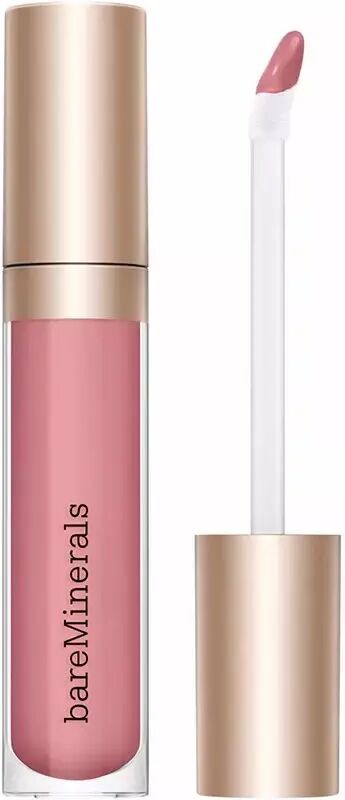
Similar search terms for Bare-Minerals-Mineralist-Lip
Top-Angebote
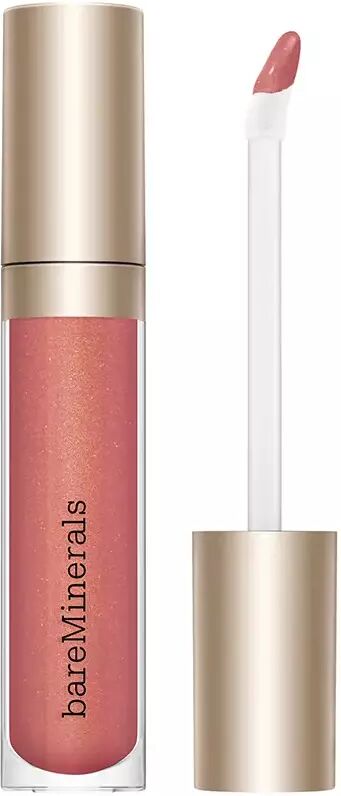
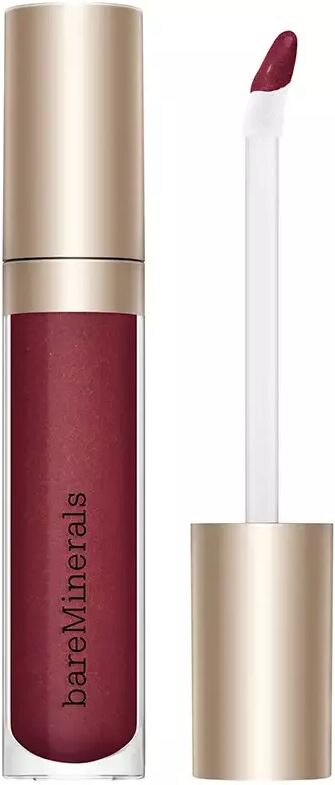
Products related to Bare-Minerals-Mineralist-Lip:

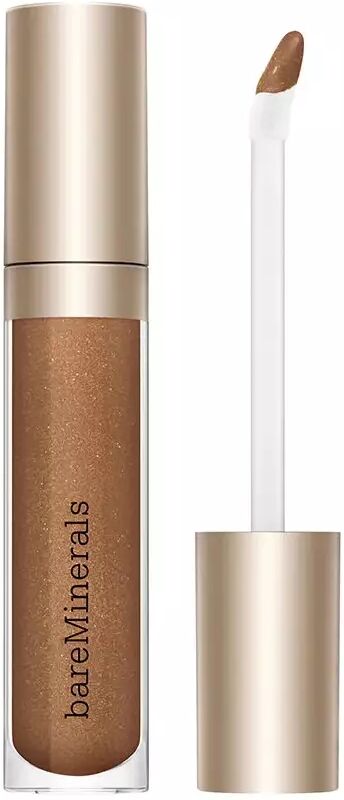
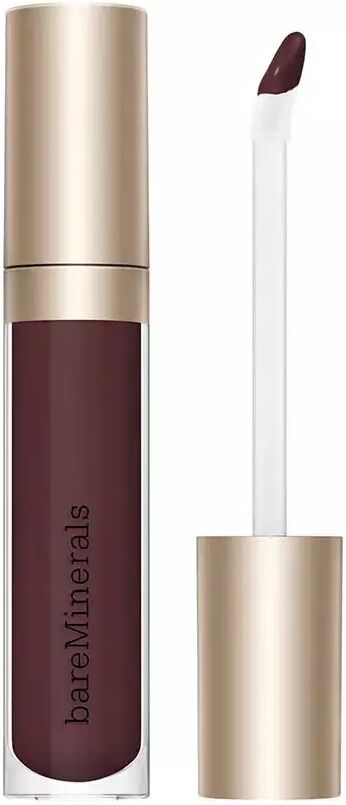
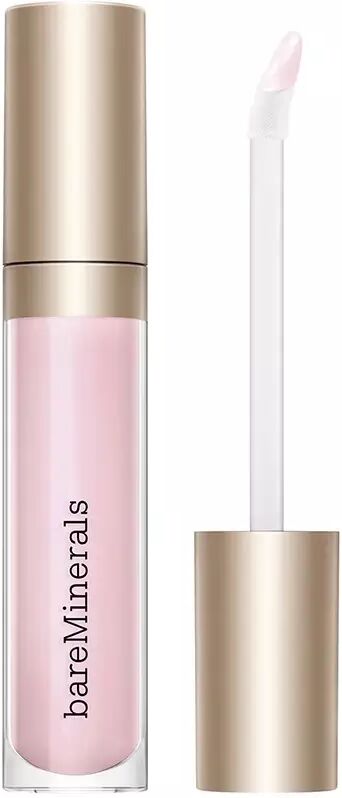
-
Can magnetic minerals attract lightning?
No, magnetic minerals cannot attract lightning. Lightning is a natural electrical discharge caused by the buildup of electrical charges in the atmosphere, and it is not influenced by magnetic minerals. Lightning is attracted to the tallest objects in an area, such as trees, buildings, or towers, due to the difference in electrical potential between the object and the charged clouds. Magnetic minerals do not play a role in attracting lightning. **
-
Which minerals are in Spirulina?
Spirulina is a rich source of various minerals, including iron, magnesium, potassium, calcium, and zinc. **
-
Where can one collect minerals?
Minerals can be collected from various locations such as mines, quarries, and mineral deposits in nature. Some people also collect minerals from rock outcrops, beaches, and riverbeds. It is important to obtain permission before collecting minerals on private property or protected lands, and to follow any regulations or guidelines set by the local authorities. Additionally, mineral shows, gem and mineral clubs, and online sources are also popular places to acquire minerals for collections. **
-
How do you recognize minerals?
Minerals can be recognized based on their physical properties such as color, luster, hardness, cleavage, and crystal form. Color can be a helpful initial clue, but it is not always reliable as many minerals can occur in a variety of colors. Luster refers to the way light reflects off the surface of the mineral, and can be metallic or non-metallic. Hardness is determined by the ability of a mineral to scratch or be scratched by other substances. Cleavage refers to the way a mineral breaks along certain planes, and crystal form refers to the geometric shape of the mineral's crystals. By observing these physical properties, one can begin to identify and classify different minerals. **
Can gemstone minerals be identified?
Yes, gemstone minerals can be identified through various methods such as visual inspection, physical properties testing (such as hardness, specific gravity, and cleavage), and chemical analysis. Gemologists and mineralogists use these methods to accurately identify gemstone minerals and distinguish them from imitations or synthetic stones. Additionally, advanced techniques such as spectroscopy and X-ray diffraction can be used to further confirm the identity of gemstone minerals. **
Bare midriff or more oversized?
It ultimately depends on personal preference and comfort. Some people may feel more confident and comfortable in a bare midriff top, while others may prefer the more oversized look for a more relaxed and modest style. Both options can be stylish and trendy, so it's important to choose the one that makes you feel the most confident and comfortable in your own skin. **
Top-Angebote
Products related to Bare-Minerals-Mineralist-Lip:
-
What are resin minerals?
Resin minerals are a type of mineral that forms when resin from trees fossilizes over millions of years. The resin hardens and traps various minerals and organic materials within it, creating a unique and often colorful stone. These minerals are prized for their beauty and are often used in jewelry and decorative items. Some well-known examples of resin minerals include amber and copal. **
-
Doesn't Biet-O-Matic offer it?
Yes, Biet-O-Matic does offer it. Biet-O-Matic is a tool that allows users to automate their bidding on online auction platforms such as eBay. It offers features such as automatic bidding, bid groups, and sniping to help users win auctions at the best price. Users can also set up custom bidding strategies and rules to tailor their bidding approach to their preferences. Overall, Biet-O-Matic provides a comprehensive set of tools for managing and optimizing bidding activities on online auction platforms. **
-
Can magnetic minerals attract lightning?
No, magnetic minerals cannot attract lightning. Lightning is a natural electrical discharge caused by the buildup of electrical charges in the atmosphere, and it is not influenced by magnetic minerals. Lightning is attracted to the tallest objects in an area, such as trees, buildings, or towers, due to the difference in electrical potential between the object and the charged clouds. Magnetic minerals do not play a role in attracting lightning. **
-
Which minerals are in Spirulina?
Spirulina is a rich source of various minerals, including iron, magnesium, potassium, calcium, and zinc. **
Similar search terms for Bare-Minerals-Mineralist-Lip
-
Where can one collect minerals?
Minerals can be collected from various locations such as mines, quarries, and mineral deposits in nature. Some people also collect minerals from rock outcrops, beaches, and riverbeds. It is important to obtain permission before collecting minerals on private property or protected lands, and to follow any regulations or guidelines set by the local authorities. Additionally, mineral shows, gem and mineral clubs, and online sources are also popular places to acquire minerals for collections. **
-
How do you recognize minerals?
Minerals can be recognized based on their physical properties such as color, luster, hardness, cleavage, and crystal form. Color can be a helpful initial clue, but it is not always reliable as many minerals can occur in a variety of colors. Luster refers to the way light reflects off the surface of the mineral, and can be metallic or non-metallic. Hardness is determined by the ability of a mineral to scratch or be scratched by other substances. Cleavage refers to the way a mineral breaks along certain planes, and crystal form refers to the geometric shape of the mineral's crystals. By observing these physical properties, one can begin to identify and classify different minerals. **
-
Can gemstone minerals be identified?
Yes, gemstone minerals can be identified through various methods such as visual inspection, physical properties testing (such as hardness, specific gravity, and cleavage), and chemical analysis. Gemologists and mineralogists use these methods to accurately identify gemstone minerals and distinguish them from imitations or synthetic stones. Additionally, advanced techniques such as spectroscopy and X-ray diffraction can be used to further confirm the identity of gemstone minerals. **
-
Bare midriff or more oversized?
It ultimately depends on personal preference and comfort. Some people may feel more confident and comfortable in a bare midriff top, while others may prefer the more oversized look for a more relaxed and modest style. Both options can be stylish and trendy, so it's important to choose the one that makes you feel the most confident and comfortable in your own skin. **
* All prices are inclusive of VAT and, if applicable, plus shipping costs. The offer information is based on the details provided by the respective shop and is updated through automated processes. Real-time updates do not occur, so deviations can occur in individual cases. ** Note: Parts of this content were created by AI.